
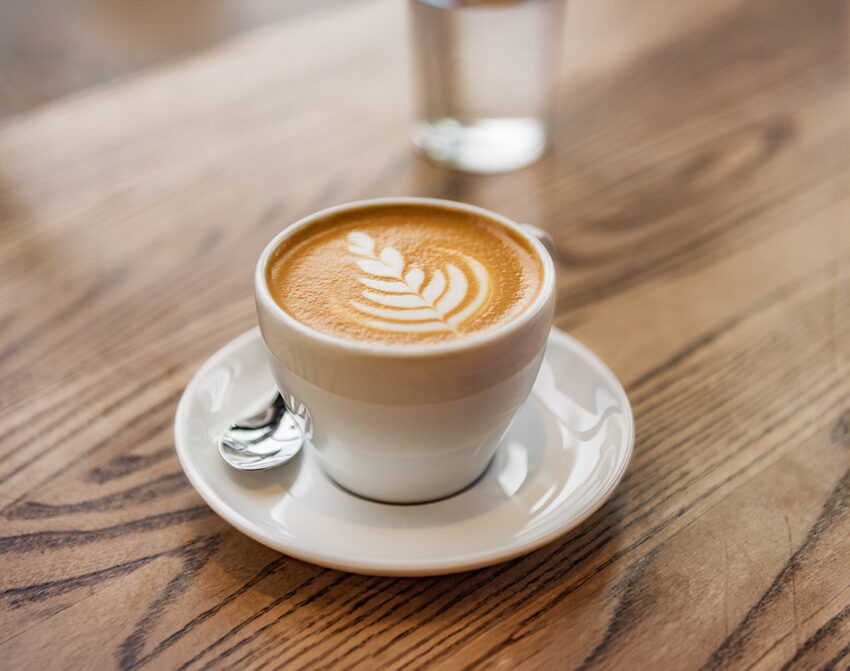

Coffee has been called everything from a health hazard to a superfood, but the research suggests that the right amount, taken at the right time, may deliver health and training benefits.
You reach for it before the school run, again at your desk at 11am and maybe once more before an evening gym session. So is that habit helping or hurting you?
The good news: for most healthy adults, moderate coffee drinking is linked to a range of benefits. The catch is that “moderate”, “the right time” and “the right type” matter – and so does your own biology.
READ MORE | Coffee-to-go breakfast smoothie recipe
All about the caffeine kick
Caffeine is coffee’s best-known active compound and the world’s most widely consumed stimulant. Once you drink it, it’s absorbed into your bloodstream, processed by your liver and reaches your brain.
There it blocks adenosine, a chemical messenger that builds up through the day and makes you feel sleepy. With adenosine sidelined, activity in neurotransmitters such as dopamine and noradrenaline rises – which is why you feel more alert, upbeat and ready to go.
Coffee isn’t just a caffeine delivery system – your cup also contains antioxidant compounds called polyphenols. Those polyphenols, especially chlorogenic acids, are thought to be behind many of coffee’s health links.
Coffee also provides small amounts of riboflavin (vitamin B2), niacin (vitamin B3), pantothenic acid (vitamin B5), magnesium and potassium, though not enough to make a dent in your daily needs.
READ MORE | Caffeine Sensitivity Driving Shift In Consumption Habits
Grounds for good health
A quick note before the numbers: most coffee research is observational. It shows that coffee drinkers tend to have lower risk of certain conditions – not that coffee alone causes the difference.
A daily cup is linked to lower type 2 diabetes risk. A meta-analysis in Archives of Internal Medicine pooled 18 studies and 457,922 people, and found each extra daily cup was associated with a 7% lower risk.¹
Coffee may be kind to your liver. Large population studies link regular coffee drinking with lower rates of liver cirrhosis² and liver cancer.³ [CHECK: confirm figures before adding percentages]
It’s also linked to a longer life. In the NIH-AARP study of more than 400,000 adults aged 50 to 71, published in the New England Journal of Medicine, women who drank four to five cups a day had a 16% lower risk of death over roughly 13 years than non-drinkers.⁴
Among women, four to five cups a day was linked to a 16% lower risk of death over 13 years. The same NIH-AARP data linked heavier coffee drinking with a modestly lower risk of colon cancer.⁵
READ MORE | Coffee Oat Banana Bread recipe
A latte love for your brain
In the short term, caffeine reliably sharpens alertness, reaction time and focus – handy on a sleep-deprived Monday. Longer-term, the research gets more intriguing, though still early.
Coffee may be linked to lower dementia risk. A small study of 124 older adults with mild memory problems, published in the Journal of Alzheimer’s Disease, found those with higher blood caffeine levels were less likely to progress to dementia over two to four years.⁶
It may help with Parkinson’s symptoms. In a small trial in Neurology, people with Parkinson’s disease given caffeine pills over six weeks showed modest improvements in movement compared with a placebo group.⁷
Even the smell might help: an animal study found coffee aroma changed stress-related brain proteins in sleep-deprived rats.⁸
There may be a mood link, too. A large Harvard study following more than 50,000 women in Archives of Internal Medicine found those drinking four or more cups a day had a lower risk of depression.⁹
READ MORE | Can caffeine make you run faster?
Espresso yourself in the gym
Caffeine is one of the most researched performance aids in sports science. It was on the World Anti-Doping Agency’s banned list until 2004 and is now only monitored – so it’s legal for your next parkrun, Comrades or HYROX.
Here’s how it may help you train:
- It makes hard work feel easier: A meta-analysis of 21 studies in the Scandinavian Journal of Medicine & Science in Sports found caffeine lowered ratings of perceived exertion by about 5.6% and improved exercise performance by about 11%.¹⁰
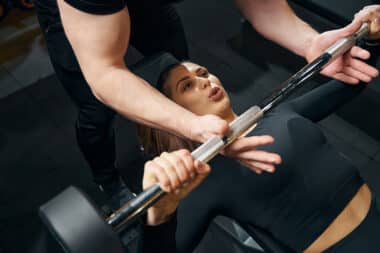
- It may boost your strength sessions: In a study in the European Journal of Sport Science, people who took caffeine before resistance training completed more reps to failure and reported less effort and muscle pain.¹¹
- It can shift your fuel mix: A classic study of nine cyclists in Medicine and Science in Sports found caffeine raised fat use late in a long ride, which may help spare stored carbohydrate (glycogen).¹²
- It may sharpen skills in team sports: Research on footballers suggests a caffeine-and-carbohydrate drink may support skill as well as endurance.
- Caffeine doesn’t just help you go longer – it may make each hard rep feel more manageable.
One thing it is not is a fat-loss shortcut. Caffeine appears in many “fat burners”, but a small rise in fat use during exercise is not the same as meaningful fat loss.
READ MORE | Protein Caramel Cold Brew Recipe
Brew it right
For performance, the International Society of Sports Nutrition suggests 3mg to 6mg of caffeine per kilogram of body weight, about 60 minutes before exercise. That’s roughly 195mg to 390mg for a 65kg woman.¹³
A cup of filter coffee typically contains around 80mg to 120mg of caffeine, but brews vary widely. Here’s how to make it work for you:
- Start low: Try the bottom of the range in training – never for the first time on race day.
- Time it: Have your coffee about an hour before your session or event.
- Watch your daily total: The European Food Safety Authority considers up to 400mg a day safe for most healthy adults.¹⁴
- Protect your sleep: Caffeine can linger for hours, so skip it in the late afternoon if you train in the evening or sleep poorly.
- Mind your iron: Coffee can reduce iron absorption from plant foods, so drink it between meals rather than with them – especially if you have heavy periods or follow a plant-based diet.
- Keep it simple: Black coffee or a splash of milk beats a syrup-laden café drink if health is your goal.
Always test your caffeine strategy in training – race day is no time for surprises.
Who should go easy
Caffeine isn’t for everyone, and your genes play a part. Variations in a liver enzyme called CYP1A2 affect how quickly you clear caffeine, so a dose that energises a friend may leave you jittery, anxious, nauseous or wide awake at 2am.
Be cautious or speak to a healthcare professional first if you:
- Are pregnant or breastfeeding: The European Food Safety Authority advises no more than 200mg a day from all sources during pregnancy and breastfeeding.¹⁴
- Have heart or blood pressure concerns: Caffeine can temporarily raise heart rate and blood pressure.
- Experience anxiety, panic attacks or insomnia: Caffeine may make symptoms worse.
- Have reflux or a sensitive stomach: Coffee can aggravate heartburn in some people.
- Take medication: Caffeine can interact with some medicines, including certain antibiotics, antidepressants and stimulants. Ask your pharmacist.
- Use caffeine supplements or pre-workouts: Concentrated products make it easy to overshoot – count every source towards your daily total.
If coffee leaves you anxious or sleepless, that’s useful information, not a failure. Regular use also builds tolerance, so the buzz may fade over time. Cutting back suddenly can bring headaches and fatigue, so taper gradually.
Worth the daily habit?
Coffee isn’t a miracle drink, but for most healthy women, three to four cups a day fits comfortably within safe limits and is linked to some genuine health perks. Used smartly, caffeine may also make your hard sessions feel more doable.
Start low, time it around your training, protect your sleep and notice how your body responds. If you’re pregnant, take medication or have a health condition, chat to your doctor, dietitian or pharmacist before upping your intake. The best coffee habit is the one that leaves you energised – not wired.
References
- Huxley R, Lee CM, Barzi F, et al. Coffee, decaffeinated coffee, and tea consumption in relation to incident type 2 diabetes mellitus: a systematic review with meta-analysis. Arch Intern Med. 2009;169(22):2053–63. doi:10.1001/archinternmed.2009.439
- Klatsky AL, Morton C, Udaltsova N, Friedman GD. Coffee, cirrhosis, and transaminase enzymes. Arch Intern Med. 2006;166(11):1190–5. doi:10.1001/archinte.166.11.1190 [CHECK]
- [SOURCE NEEDED – liver cancer meta-analysis cited in original]
- Freedman ND, Park Y, Abnet CC, et al. Association of coffee drinking with total and cause-specific mortality. N Engl J Med. 2012;366(20):1891–904. doi:10.1056/NEJMoa1112010
- Sinha R, Cross AJ, Daniel CR, et al. Caffeinated and decaffeinated coffee and tea intakes and risk of colorectal cancer in a large prospective study. Am J Clin Nutr. 2012;96(2):374–81. doi:10.3945/ajcn.111.031328 [CHECK]
- Cao C, Loewenstein DA, Lin X, et al. High blood caffeine levels in MCI linked to lack of progression to dementia. J Alzheimers Dis. 2012;30(3):559–72. doi:10.3233/JAD-2012-111781 [CHECK]
- Postuma RB, Lang AE, Munhoz RP, et al. Caffeine for treatment of Parkinson disease: a randomized controlled trial. Neurology. 2012;79(7):651–8. doi:10.1212/WNL.0b013e318263570d
- Seo HS, Hirano M, Shibato J, et al. Effects of coffee bean aroma on the rat brain stressed by sleep deprivation. J Agric Food Chem. 2008;56(12):4665–73. doi:10.1021/jf8001137 [CHECK]
- Lucas M, Mirzaei F, Pan A, et al. Coffee, caffeine, and risk of depression among women. Arch Intern Med. 2011;171(17):1571–8. doi:10.1001/archinternmed.2011.393
- Doherty M, Smith PM. Effects of caffeine ingestion on rating of perceived exertion during and after exercise: a meta-analysis. Scand J Med Sci Sports. 2005;15(2):69–78. doi:10.1111/j.1600-0838.2005.00445.x
- Duncan MJ, Stanley M, Parkhouse N, Cook K, Smith M. Acute caffeine ingestion enhances strength performance and reduces perceived exertion and muscle pain perception during resistance exercise. Eur J Sport Sci. 2013;13(4):392–9. doi:10.1080/17461391.2011.635811
- Ivy JL, Costill DL, Fink WJ, Lower RW. Influence of caffeine and carbohydrate feedings on endurance performance. Med Sci Sports. 1979;11(1):6–11.
- Guest NS, VanDusseldorp TA, Nelson MT, et al. International Society of Sports Nutrition position stand: caffeine and exercise performance. J Int Soc Sports Nutr. 2021;18(1):1. doi:10.1186/s12970-020-00383-4
- EFSA Panel on Dietetic Products, Nutrition and Allergies. Scientific opinion on the safety of caffeine. EFSA J. 2015;13(5):4102. doi:10.2903/j.efsa.2015.4102

Author: Pedro van Gaalen
When he’s not writing about sport or health and fitness, Pedro is probably out training for his next marathon or ultra-marathon. He’s worked as a fitness professional and as a marketing and comms expert. He now combines his passions in his role as managing editor at Fitness magazine.







Leave a Reply