
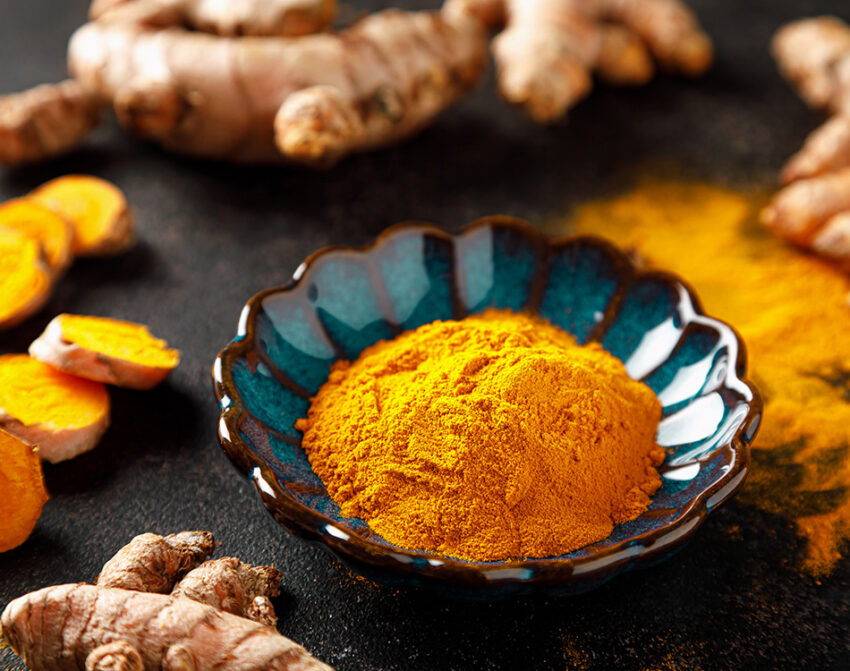

Curcumin is a supplement that holds many potential benefits for women as turmeric’s golden active compound has been studied for period discomfort, exercise recovery, hot flushes and joint comfort, which are all concerns that come up at different stages of a woman’s life.
Curcumin is the main active compound inside turmeric, which is extracted from the root. It is a polyphenol that gives turmeric its colour and much of its antioxidant activity.
As turmeric root contains only around 3% curcuminoids, most women looking for a consistent intake, turn to a standardised curcumin supplement rather than the spice jar.
READ MORE | Study finds curcumin aids exercise performance and recovery
Why women should consider curcumin
A woman’s body goes through distinct phases: monthly cycles, pregnancy for some, perimenopause, menopause, and the gradual changes of later life. Each phase brings its own concerns about comfort, energy and mobility.
Curcumin has attracted research interest across several of these phases, mainly because of its role in the body’s inflammatory response and its antioxidant activity.
A widely cited review in Foods describes how curcumin interacts with multiple cellular signalling pathways, including those that regulate inflammation and oxidative stress. That broad mechanism is the reason it appears in such different areas of research.
READ MORE | Menopause and Your Microbiome: How Gut Health Shapes Weight, Mood and Hormones
Curcumin for women’s health
For many women, the days before a period bring cramping, bloating, irritability and low energy.
A randomised, double-blind, placebo-controlled trial published in Complementary Therapies in Medicine gave 70 women curcumin or a placebo for seven days before and three days after their periods.
The curcumin group reported a statistically significant reduction in the severity of their premenstrual mood, behavioural and physical symptoms across three cycles.
A follow-up analysis from the same research group linked this to changes in a brain signalling protein called BDNF. The results are encouraging, but they come from one research group and a small sample. Treat this as a promising area rather than a settled one.
READ MORE | New research strikes a nerve by revealing the power of polyphenols
The active years: recovery after training
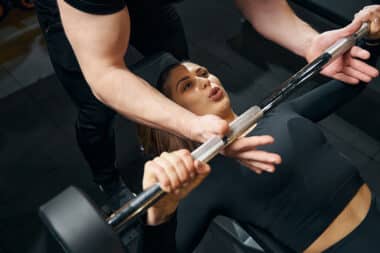
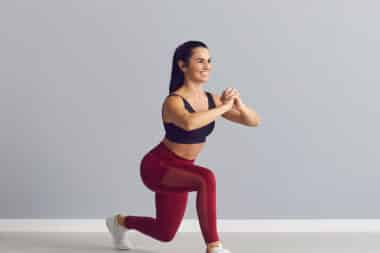
Whether you’re training for the Two Oceans, lifting in the gym or keeping up with a weekly padel game, hard sessions produce temporary inflammation and oxidative stress. That is part of how the body adapts, but it also leaves you stiff and sore for a day or two afterwards.
A double-blind trial in the European Journal of Applied Physiology found that curcumin taken around eccentric exercise was likely to reduce delayed-onset muscle soreness (DOMS) compared with a placebo⁴.
The effects were moderate, and curcumin works best alongside the basics: sleep, protein and sensible training loads. It won’t replace any of them.
Perimenopause and beyond
Hot flushes are one of the most disruptive parts of the menopausal transition, and many women look for gentle, non-hormonal support.
A small triple-blind trial in postmenopausal women found that curcumin, taken alone or combined with vitamin E, was associated with a reduction in hot flush severity compared with a placebo. This is early, limited evidence from a single trial.
Curcumin is not a substitute for hormone therapy or any treatment your doctor has prescribed. If menopausal symptoms are affecting your quality of life, a conversation with your GP or gynaecologist is the right first step.
The later years
Joint comfort becomes a bigger concern for many women from their late 40s. The protective effect of oestrogen on joint and bone tissue gradually declines, and decades of movement add up.
Curcumin’s antioxidant and inflammatory-response activity has made it one of the most studied botanicals for joint support.
A systematic review and meta-analysis in the Journal of Medicinal Food pooled randomised trials and found that turmeric extracts and curcumin, taken over 8 to 12 weeks, were associated with reductions in joint pain scores compared with a placebo.
The authors noted that the trials were small and varied in quality, and called for larger studies. Any benefit builds gradually, so this calls for patience rather than a quick fix.
Everyday antioxidant support
Free radicals are unstable molecules produced by normal metabolism, stress, sun exposure and pollution. Over time they can damage cells.
Curcumin acts as a free radical scavenger, and research has documented its ability to reduce markers of oxidative stress in the body¹.
This underlying antioxidant activity helps explain the other areas above, and it’s the most general reason women take curcumin as part of a long-term wellness routine.
The absorption catch
Curcumin has one well-known weakness: on its own, the body absorbs very little of it. Much of it is broken down in the gut and liver before it reaches the bloodstream. This is why the formulation matters more than the milligrams on the front of the tub.
The best-known workaround is piperine, the active compound in black pepper. A classic human study published in Planta Medica found that combining curcumin with piperine increased its bioavailability by around 2,000%⁷.
BioPerine®, a black pepper extract standardised to 95% piperine, is the branded form used in many supplements. Lipid-bound (phytosome) forms of curcumin take a different approach to the same problem.
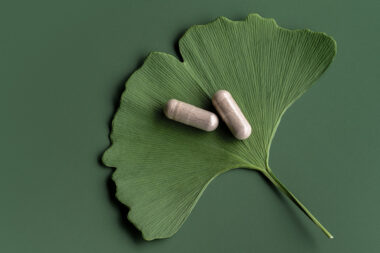
Biogen Curcumin Anti-Inflammatory combines Curcumin C3 Complex®, a patented extract standardised to 95% curcuminoids, with BioPerine® black pepper extract.
It also contains vitamin C, which contributes to normal collagen formation. The vitamin C is included because collagen is a key structural component of cartilage, skin and connective tissue.
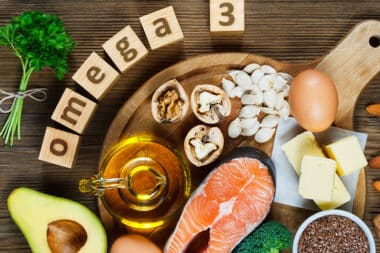
If joint comfort is your main focus, you can combine it with other Biogen joint-support products, such as an omega-3 fish oil or glucosamine and chondroitin. If you take several supplements together, run the combination past your pharmacist.
As curcumin is fat-soluble, it is best to take it with a meal that contains some fat, such as avocado, olive oil, nuts or oily fish. This also helps reduce stomach upset. Morning or evening makes little difference, and daily consistency matters far more.
The bottom line
Curcumin is not a cure-all, and it isn’t a women’s health treatment. The evidence varies by area. It is most consistent for joint comfort and exercise recovery, promising but limited for period-related discomfort, and very early for hot flushes.
Choose a standardised extract with an absorption partner, take it with food and give it several weeks. Women with low iron, gallbladder issues or hormone-sensitive conditions, and anyone taking blood thinners, should get medical advice before starting.

Author: Pedro van Gaalen
When he’s not writing about sport or health and fitness, Pedro is probably out training for his next marathon or ultra-marathon. He’s worked as a fitness professional and as a marketing and comms expert. He now combines his passions in his role as managing editor at Fitness magazine.







Leave a Reply